
 Español de México
  English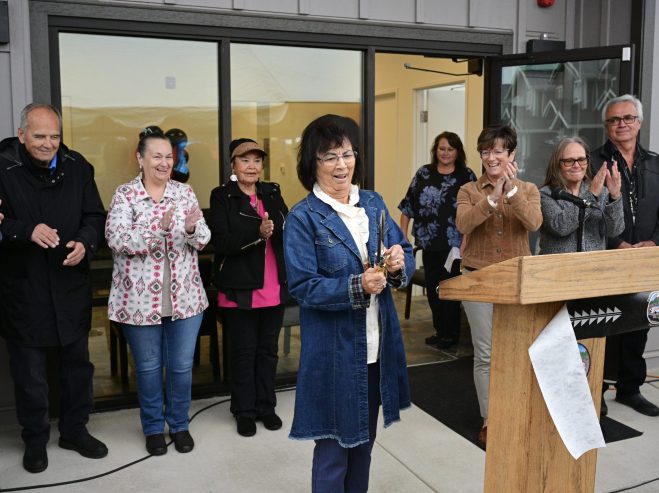
Las tribus confederadas de indios Siletz recently celebrated the grand opening of their affordable housing project in Salem, Kloshe Illahee Haws. A Tribal honor song welcomed the Salem community, mayor, City Council members, local and Federal elected officials, and Tribal members to a ribbon-cutting, which celebrated the collaboration, the years of hard work, and the Tribe’s longstanding connection to the land.
The Kloshe Illahee Haws project reflects what’s possible when Tribes, federal agencies, and cities unite to address challenges. From treaties and restoration to today’s partnerships, Siletz has always believed in working together.
The history of the Siletz Tribe and its ancestors dates back to time immemorial, with a particular focus on the Willamette Valley and the Salem area. Today, Salem is home to the second-largest population of Siletz members in the state, behind only Siletz, Oregon.
“These lands were walked by our ancestors,” said Delores Pigsley, chairman of the Confederated Tribes of Siletz Indians. “‘Kloshe Illahee Haws’ means ‘Good Valley Homes.’ These were built for our people to be able to provide low-income and affordable housing.” (Underscore Native News)
The project was created in direct response to the growing need for affordable housing in the area. Salem faces a shortage of nearly 2,900 homes, and the metro area is projected to welcome 60,000 new residents by 2035.
To give Salem-area Tribal members and others much-needed relief, the Siletz Tribe secured a Block Grant from the Indian Housing Block Grant Program through the U.S. Department of Housing and Urban Development for the project.
About half of the units are strictly designated for residents earning below 80% of the median income. The development includes a mixture of 2-bedroom, 3-bedroom and 4-bedroom houses, a modest community-use facility with staff offices, and space for a cherished outdoor community garden, intended to foster a sense of pride and connection among residents while providing free and healthy food.
While the grand opening marked an important step toward addressing housing needs in Salem, it also honored the longstanding presence of the Confederated Tribes of Siletz Indians in the region by providing members with the opportunity to live side by side and form a Native community.
“Moving into Kloshe Illahee Haws means stability. My son will get to stay at the same school, which means a safe home for my brother and me, and it’s close enough to the Tribal offices so I can attend classes and cultural activities," says Vera Vasquez, an enrolled member of the Siletz Tribe. “This project means we don’t have to choose between staying rooted in Salem and being connected to our Tribe. We can do both.”
The Siletz Tribe remains committed to working with Salem's city leaders to help mitigate the housing crisis and bring jobs and economic development to the community.
(The Siletz Casino Project is not affiliated with Kloshe Illahee Haws)